
Thucydides Trap
Updated: Wikipedia source
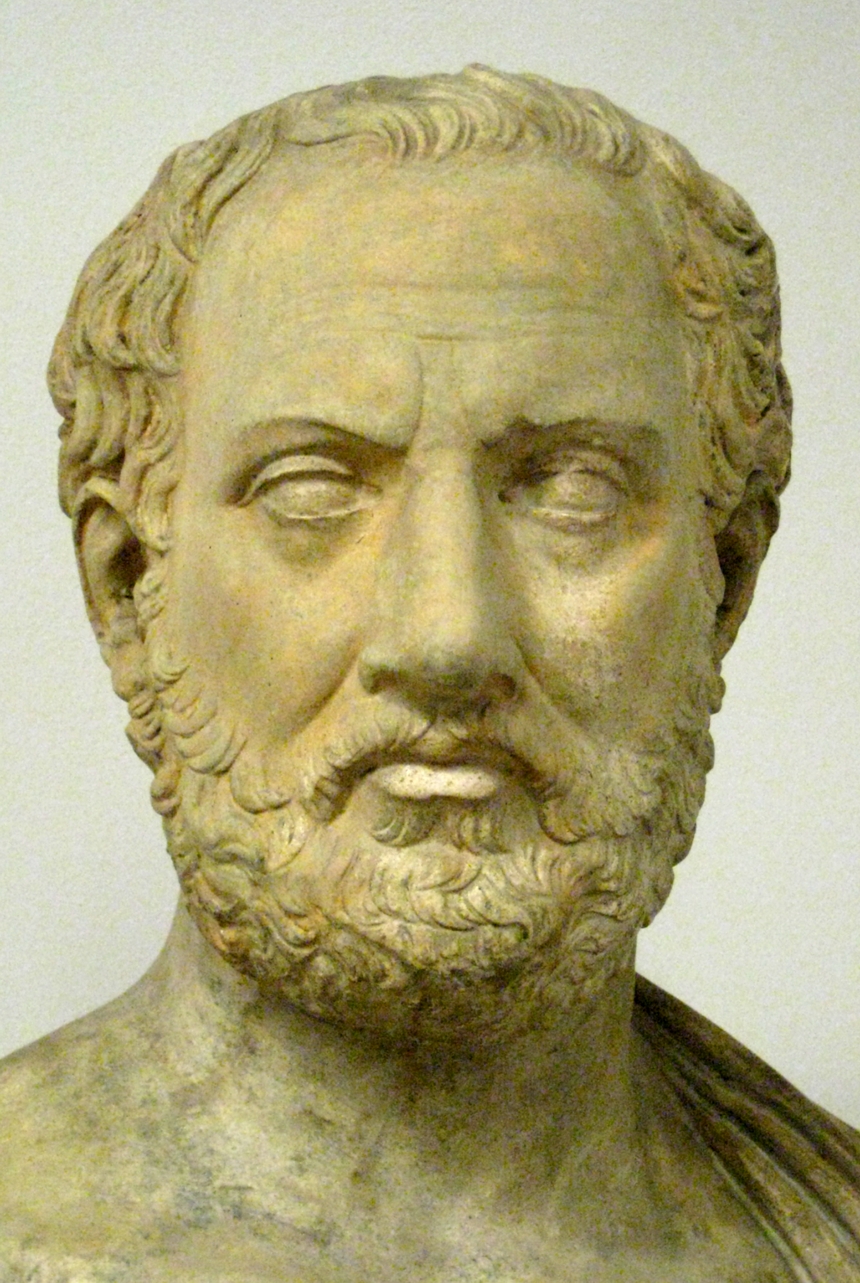
The Thucydides Trap is a concept originated by Herman Wouk, the novelist and World War II veteran, who used it in his Admiral Raymond A. Spruance lecture, delivered on April 16, 1980, at the U . Naval War College. Wouk compared the U Cold War to the "cold war" that developed between Athens and Sparta once they had defeated Persia, their common enemy, remarking:And more than two millenia [sic] later we seem still trapped in Thucydides' world. None of the ways in which those quarrelsome Greeks behaved is suited to these dread times of nuclear menace; yet we still behave in those ways, and can find no other. How do we break out of this Thucydidean trap, which now threatens to strangle, if not to destroy, our world? Decades later, the term was then popularized by American political scientist Graham Allison to describe an apparent tendency towards war when an emerging power threatens to displace an existing great power as a regional or international hegemon. The term became widely used in 2015, and primarily applies to analysis of China–United States relations.
Supporting the thesis, Allison led a study at Harvard University's Belfer Center for Science and International Affairs which found that, among a sample of 16 historical instances of an emerging power rivaling a ruling power, 12 ended in war. That study, however, has come under considerable criticism, and scholarly opinion on the value of the Thucydides Trap concept—particularly as it relates to a potential military conflict between the United States and China—remains divided.