
Topzle Topzle

Nuclear weapons of the United States

Updated: Wikipedia source
Nuclear weapons of the United States

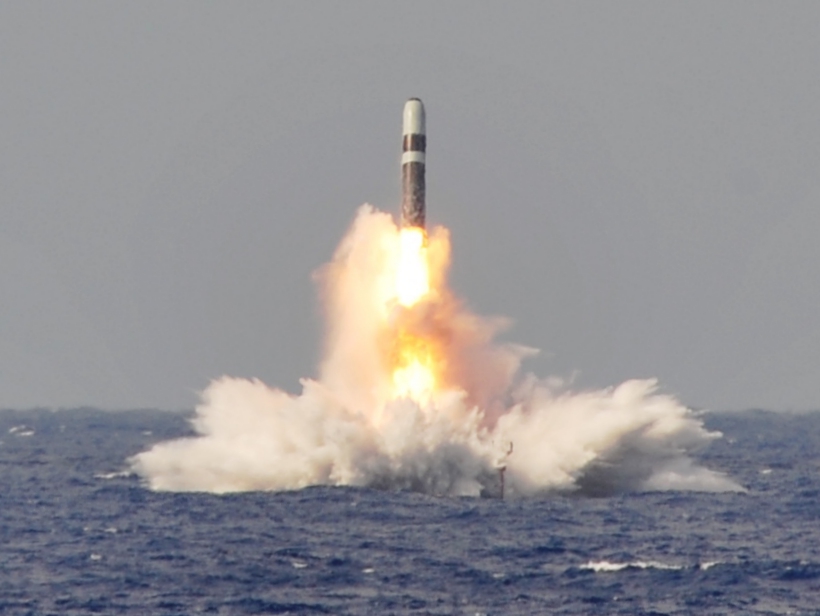
The United States holds the second largest arsenal of nuclear weapons among the nine nuclear-armed countries. Under the Manhattan Project, the United States became the first country to manufacture nuclear weapons and remains the only country to have used them in combat, with the bombings of Hiroshima and Nagasaki in World War II against Japan. In total it conducted 1,054 nuclear tests, the most of any country. It is an original party to and one of the five "nuclear-weapon states" recognized by the 1968 Treaty on the Non-Proliferation of Nuclear Weapons. As of 2025, the US and Russia possess a comparable number of warheads; together more than 90% of the world's stockpile. The US holds in total 5,177 warheads, of which 3,700 are stockpiled, and 1,477 are awaiting dismantlement. Of the stockpile, 1,770 are deployed, while 1,930 are held in reserve. The president of the United States has the sole authority to use nuclear weapons. US policy permits nuclear first use, and as of 2024 aims to "deter Russia, the PRC, and the DPRK simultaneously". The US stockpile is mostly under Strategic Command, assigned to its nuclear triad: 1,920 to 280 Trident II submarine-launched ballistic missiles aboard 14 Ohio-class submarines, 800 to 400 silo-based Minuteman III intercontinental ballistic missiles, and 780 B61 and B83 bombs and AGM-86B cruise missiles to 19 B-2 Spirit and 46 B-52 Stratofortress bombers respectively. The US plans to modernize its triad with the Columbia-class submarine, Sentinel ICBM, and B-21 Raider, from 2029. Early warning is provided by radars including Solid State Phased Arrays and satellites including the Space-Based Infrared System. The Missile Defense Agency coordinates the US anti-ballistic missile network: the Ground-Based Interceptor, Aegis, Terminal High Altitude Area Defense, and MIM-104 Patriot systems. Additionally, 200 B61 nuclear bombs are available for tactical nuclear use by fighter aircraft. The US stations approximately 100 of these in six European NATO countries: Belgium, Germany, Italy, the Netherlands, Turkey, and United Kingdom. The US extends a nuclear umbrella to all NATO countries, and also South Korea, Japan, and Australia. Since the 2014 Russian annexation of Crimea, the US has more frequently moved strategic nuclear delivery systems to the territory of its allies, with Bomber Task Force deployments in Australia, Qatar, Romania, and South Korea, while Ohio-class submarines have docked in Scotland and South Korea. Throughout the Cold War, the US and USSR competed in the nuclear arms race. From 1951, the US became the first country to develop thermonuclear weapons. From the 1950s, the US stationed nuclear weapons in at least 17 other nations, including NATO allies, South Korea, Japan, Taiwan, and the Philippines, while Strategic Air Command operated hundreds of strategic bombers, under the policies of massive retaliation and containment of Eastern Bloc countries. By the 1960s, ICBMs were deployed in silos, such as the Atlas and Titan, and aboard submarines as Polaris, with the arsenal peaking at 31,000 warheads in 1967. The 1962 Cuban Missile Crisis is regarded as a nuclear close call that cemented the concept of mutually assured destruction. Technologies advanced in the 1980s, with the Peacekeeper ICBM and proposed space-based Strategic Defense Initiative missile defense system. When the Cold War ended, all Army and surface Navy nuclear weapons were withdrawn, and Strategic Air Command was superseded by Strategic Command. The arsenal was also limited by bilateral treaties, beginning with START I. Its successor, New START, expired in 2026. Since 2025, the US has pursued the space-based Golden Dome missile defense system. Between 1940 and 1996, the US spent over US$11 trillion in present-day terms on nuclear weapons infrastructure, and nuclear forces maintenance is projected to cost $60 billion per year from 2021 through 2030. The US produced over 70,000 nuclear warheads, more than all other states combined. Design takes place at Los Alamos, Livermore, and Sandia laboratories; tests were conducted at Nevada Test Site and Pacific Proving Grounds. Until the 1963 Partial Nuclear Test Ban Treaty, the vast majority of tests were atmospheric. Subsequent underground testing limited nuclear fallout. Nuclear sites radioactively contaminated civilian communities: the US government compensated Marshall Islanders over US$759 million for testing exposure, and US citizens over US$2 billion. The US began a testing moratorium in 1992 and signed the Comprehensive Nuclear-Test-Ban Treaty in 1996, but has not ratified it. Stockpile stewardship is the current warhead maintenance program, using experiments including supercomputer simulation and inertial confinement fusion.

Infobox

Nuclear program start date
September 21, 1939 (1939-09-21)
First nuclear weapon test
16 July 1945 (Trinity)
First thermonuclear weapon test
1 November 1952 (Ivy Mike)
Last nuclear test
23 September 1992 (Divider)
Largest yield test
15 megatons of TNT (63 PJ) Atmospheric – 15 Mt (1 March 1954) Underground – 5 megatons of TNT (21 PJ) (6 November 1971)
Total tests
1,054 detonations (Joint U devices)
Peak stockpile
31,255 warheads (1967)
Current stockpile
3,700
Maximum missile range
ICBM: 15,000 km (9,321 mi) SLBM: 12,000 km (7,456 mi)
Nuclear triad
Yes
Strategic forces
U . Navy Ohio-class submarines Trident-II ballistic missiles U . Air Force Minuteman-III intercontinental ballistic missiles B-52H Stratofortress bombers AGM-86B cruise missiles B-2A Spirit bombers B61 bombs B83 bombs
Tactical forces
U . Air Force Dual Capable Aircraft B61 bombs
NPT party
Yes (1968, one of five recognized nuclear-weapon states)

Tables

· Weapons production complex
Los Alamos National Laboratory
Site name
Los Alamos National Laboratory
Location
Los Alamos, New Mexico
Function
Research and design, pit production, stockpile stewardship
Status
Active
Lawrence Livermore National Laboratory
Site name
Lawrence Livermore National Laboratory
Location
Livermore, California
Function
Research and design, stockpile stewardship, certification
Status
Active
Sandia National Laboratories
Site name
Sandia National Laboratories
Location
Albuquerque, New Mexico
Function
Research and design, stockpile stewardship, validation, certification
Status
Active
Hanford Site
Hanford Site
Site name
Hanford Site
Location
Richland, Washington
Function
Nuclear material production (plutonium)
Status
Not active, in remediation
Savannah River Site
Savannah River Site
Site name
Savannah River Site
Location
Near Aiken, South Carolina
Function
Nuclear material production (plutonium, tritium)
Status
Active (limited operation), in remediation
Paducah Plant
Paducah Plant
Site name
Paducah Plant
Location
Paducah, Kentucky
Function
Nuclear material production (uranium-235)
Status
Active (commercial use)
Oak Ridge National Laboratory
Site name
Oak Ridge National Laboratory
Location
Oak Ridge, Tennessee
Function
Nuclear material production (uranium-235, fusion fuel), research
Status
Active to some extent
Y-12 National Security Complex
Site name
Y-12 National Security Complex
Location
Oak Ridge, Tennessee
Function
Component fabrication, stockpile stewardship, uranium storage
Status
Active
Rocky Flats Plant
Rocky Flats Plant
Site name
Rocky Flats Plant
Location
Near Denver, Colorado
Function
Components fabrication
Status
Not active, in remediation
Kansas City Plant
Kansas City Plant
Site name
Kansas City Plant
Location
Kansas City, Missouri
Function
Component production
Status
Active
Fernald Site
Fernald Site
Site name
Fernald Site
Location
Near Cincinnati, Ohio
Function
Feed material fabrication (uranium-238)
Status
Not active, in remediation
Mound Plant
Mound Plant
Site name
Mound Plant
Location
Miamisburg, Ohio
Function
Research, component production, tritium purification
Status
Not active, in remediation
Pinellas Plant
Pinellas Plant
Site name
Pinellas Plant
Location
Largo, Florida
Function
Manufacture of electrical components
Status
Active, but not for weapons production
Pantex
Pantex
Site name
Pantex
Location
Amarillo, Texas
Function
Weapons assembly, disassembly, pit storage
Status
Active, especially disassembly
Nevada Test Site
Nevada Test Site
Site name
Nevada Test Site
Location
Mercury, Nevada
Function
Nuclear testing, nuclear materials and nuclear waste disposal
Status
Active; two sites for SBSS, waste disposal
Pacific Proving Grounds
Site name
Pacific Proving Grounds
Location
Marshall Islands
Function
Nuclear testing
Status
Not active, last test in 1962
Waste Isolation Pilot Plant
Site name
Waste Isolation Pilot Plant
Location
East of Carlsbad, New Mexico
Function
Nuclear waste disposal
Status
Active
Map of major nuclear sites in the contiguous U . Grayed-out sites are not currently active.
Site name
Site name
Location
Function
Status
Los Alamos National Laboratory
Los Alamos, New Mexico
Research and design, pit production, stockpile stewardship
Active
Lawrence Livermore National Laboratory
Livermore, California
Research and design, stockpile stewardship, certification
Active
Sandia National Laboratories
Albuquerque, New Mexico
Research and design, stockpile stewardship, validation, certification
Active
Hanford Site
Richland, Washington
Nuclear material production (plutonium)
Not active, in remediation
Savannah River Site
Near Aiken, South Carolina
Nuclear material production (plutonium, tritium)
Active (limited operation), in remediation
Paducah Plant
Paducah, Kentucky
Nuclear material production (uranium-235)
Active (commercial use)
Oak Ridge National Laboratory
Oak Ridge, Tennessee
Nuclear material production (uranium-235, fusion fuel), research
Active to some extent
Y-12 National Security Complex
Oak Ridge, Tennessee
Component fabrication, stockpile stewardship, uranium storage
Active
Rocky Flats Plant
Near Denver, Colorado
Components fabrication
Not active, in remediation
Kansas City Plant
Kansas City, Missouri
Component production
Active
Fernald Site
Near Cincinnati, Ohio
Feed material fabrication (uranium-238)
Not active, in remediation
Mound Plant
Miamisburg, Ohio
Research, component production, tritium purification
Not active, in remediation
Pinellas Plant
Largo, Florida
Manufacture of electrical components
Active, but not for weapons production
Pantex
Amarillo, Texas
Weapons assembly, disassembly, pit storage
Active, especially disassembly
Nevada Test Site
Mercury, Nevada
Nuclear testing, nuclear materials and nuclear waste disposal
Active; two sites for SBSS, waste disposal
Pacific Proving Grounds
Marshall Islands
Nuclear testing
Not active, last test in 1962
Waste Isolation Pilot Plant
East of Carlsbad, New Mexico
Nuclear waste disposal
Active
· United States nuclear weapons arsenal
Deployed: ICBMs, SLBMs, and heavy bombers
Data category
Deployed: ICBMs, SLBMs, and heavy bombers
United States of America
665
Nuclear warheads on deployed: ICBMs, SLBMs, and those counted for heavy bombers
Data category
Nuclear warheads on deployed: ICBMs, SLBMs, and those counted for heavy bombers
United States of America
1,389
Deployed and non-deployed: Launchers of: ICBMs, SLBMs Heavy bombers
Data category
Deployed and non-deployed: Launchers of: ICBMs, SLBMs Heavy bombers
United States of America
800
Total
Total
Data category
Total
United States of America
2,854
Data category
United States of America
Deployed: ICBMs, SLBMs, and heavy bombers
665
Nuclear warheads on deployed: ICBMs, SLBMs, and those counted for heavy bombers
1,389
Deployed and non-deployed: Launchers of: ICBMs, SLBMs Heavy bombers
800
Total
2,854
· United States nuclear weapons arsenal
Deployed
Deployed
Category
Deployed
Quantity
1,770
Reserve
Reserve
Category
Reserve
Quantity
1,938
Subtotal
Subtotal
Category
Subtotal
Quantity
3,708 (stockpile)
Retired
Retired
Category
Retired
Quantity
1,336
Grand total
Grand total
Category
Grand total
Quantity
5,044 (inventory)
Category
Quantity
Deployed
1,770
Reserve
1,938
Subtotal
3,708 (stockpile)
Retired
1,336
Grand total
5,044 (inventory)

References

  1. As of 2026, the Federation of American Scientists believes a small number of B83 nuclear bombs remain in the stockpile b
  2. According to Carey Sublette's Nuclear Weapon Archive, the United States "tested (by official count) 1054 nuclear tests"
  3. B61 nuclear bombs stored in European NATO countries under nuclear sharing are under the command of United States Air For
  4. Only 970 warheads are estimated to be actively deployed to submarine-launched ballistic missiles at any one time.
  5. Only 400 warheads are estimated to be actively deployed to silo-based ballistic missiles at any one time.
  6. Only 300 warheads are estimated to be actively deployed at heavy bomber bases at any one time.
  7. US nuclear-capable tactical aircraft include certain units of the F-35A, F-15E, and F-16C/D, while NATO Dual Capable Air
  8. Preparatory Commission for the Comprehensive Nuclear-Test-Ban Treaty Organization
    http://www.ctbto.org/specials/testing-times/23-september-1992-last-us-nuclear-test/
  9. www
    https://www.armscontrol.org/factsheets/nuclear-testing-tally
  10. Nuclear Posture Review
    https://web.archive.org/web/20100528062643/http://www.defense.gov/npr/docs/10-05-03_Fact_Sheet_US_Nuclear_Transparency__FINAL_w_Date.pdf
  11. Bulletin of the Atomic Scientists
    https://thebulletin.org/premium/2025-01/united-states-nuclear-weapons-2025/
  12. Bulletin of the Atomic Scientists
    https://www.tandfonline.com/doi/full/10.1080/00963402.2026.2633029
  13. The Nuclear Weapon Archive
    http://nuclearweaponarchive.org/Usa/Tests/index.html
  14. Defense News
    https://www.defensenews.com/global/2019/06/16/heres-how-many-nuclear-warheads-exist-and-which-countries-own-them/
  15. Radio Free Europe/Radio Liberty
    https://www.rferl.org/a/nuclear-weapons-russia-start-inf-warheads/30003088.html
  16. Bulletin of the Atomic Scientists
    https://thebulletin.org/premium/2025-01/united-states-nuclear-weapons-2025/
  17. Bulletin of the Atomic Scientists
    https://www.tandfonline.com/doi/full/10.1080/00963402.2026.2633029
  18. Bulletin of the Atomic Scientists
    https://www.tandfonline.com/doi/full/10.1080/00963402.2024.2441624
  19. Bulletin of the Atomic Scientists
    https://www.tandfonline.com/doi/full/10.1080/00963402.2026.2633029
  20. Air & Space Forces Magazine
    https://www.airandspaceforces.com/b-52-stratofortress-land-south-korea/
Image
Source:
Tip: Wheel or +/− to zoom, drag to pan, Esc to close.