
Topzle Topzle

Charcot–Marie–Tooth disease

Updated: Wikipedia source
Charcot–Marie–Tooth disease

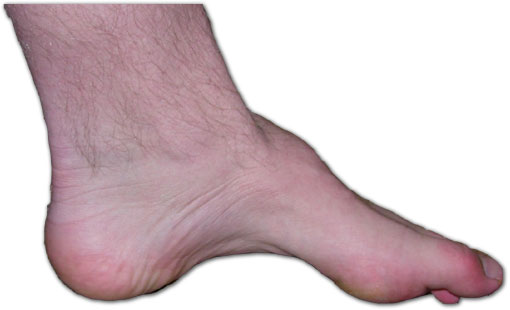
Charcot–Marie–Tooth disease (CMT; , shar-KOE ma-REE TOOTH), also known as hereditary motor and sensory neuropathy (HMSN), is an inherited neurological disorder that affects the peripheral nerves responsible for transmitting signals between the brain, spinal cord, and the rest of the body. This is the most common inherited neuropathy that causes sensory and motor symptoms of numbness, tingling, weakness and muscle atrophy, pain, and progressive foot deformities over time. In some cases, CMT also affects nerves controlling automatic bodily functions like sweating and balance. Symptoms typically start in the feet and legs before spreading to the hands and arms. While some individuals experience minimal symptoms, others may face significant physical limitations. There is no cure for CMT; however, treatments such as physical therapy, orthopedic devices, surgery, and medications can help manage symptoms and improve quality of life. CMT is caused by mutations in over 100 different genes, which disrupt the function of nerve cells' axons (responsible for transmitting signals) and their myelin sheaths (which insulate and accelerate signal transmission). When these components are damaged, nerve signal transmission slows down or becomes impaired, leading to problems with muscle control and sensory feedback. The condition was discovered in 1886 by doctors Jean-Martin Charcot and Pierre Marie of France and the English neurologist Howard Henry Tooth. This disease is the most commonly inherited peripheral neuropathy, affecting approximately one in 2,500 people.

Infobox

Other names
Charcot-Marie-Tooth neuropathy, peroneal muscular atrophy, Dejerine-Sottas syndrome
Specialty
Neurology, podiatry, orthopedics, physical medicine and rehabilitation
Symptoms
common: high-arched feet, hammertoe, foot drop, high-stepping gait, weakness, stiffness, and muscle wasting of lower legs, arm, and hands, and reduced tendon reflexes. sometimes: flat-arched feet, spinal deformities.
Usual onset
childhood – early adulthood
Duration
lifelong
Causes
family history (genetics)
Risk factors
family history (genetics)
Diagnostic method
genetic testing, nerve conduction study or electromyogram (EMG)
Differential diagnosis
muscular dystrophy
Treatment
management to maintain function
Prognosis
progressive
Frequency
prevalence: 1 in 2,500

Tables

Chromosome 17 and 1 Causes of Charcot–Marie–Tooth (CMT) Disease: · Causes and genetics
17
17
Chromosome
17
Gene involved
PMP22
Explanation
The most common cause (70–80% of cases) of CMT is a duplication on the short arm of chromosome 17, involving the gene PMP22. This duplication leads to an excess of PMP22 protein, disrupting the normal structure and function of the myelin sheath
1
1
Chromosome
1
Gene involved
MFN2
Explanation
Mutations affecting the gene MFN2, located on chromosome 1, impair the function of mitochondrial proteins. Mutated MFN2 causes mitochondria to form clusters or aggregates, restricting their movement along axons toward synapses, and thus impairing synaptic function.
Chromosome
Gene involved
Explanation
17
PMP22
The most common cause (70–80% of cases) of CMT is a duplication on the short arm of chromosome 17, involving the gene PMP22. This duplication leads to an excess of PMP22 protein, disrupting the normal structure and function of the myelin sheath
1
MFN2
Mutations affecting the gene MFN2, located on chromosome 1, impair the function of mitochondrial proteins. Mutated MFN2 causes mitochondria to form clusters or aggregates, restricting their movement along axons toward synapses, and thus impairing synaptic function.
Image
Source:
Tip: Wheel or +/− to zoom, drag to pan, Esc to close.