
Topzle Topzle

Book of Enoch

Updated: Wikipedia source
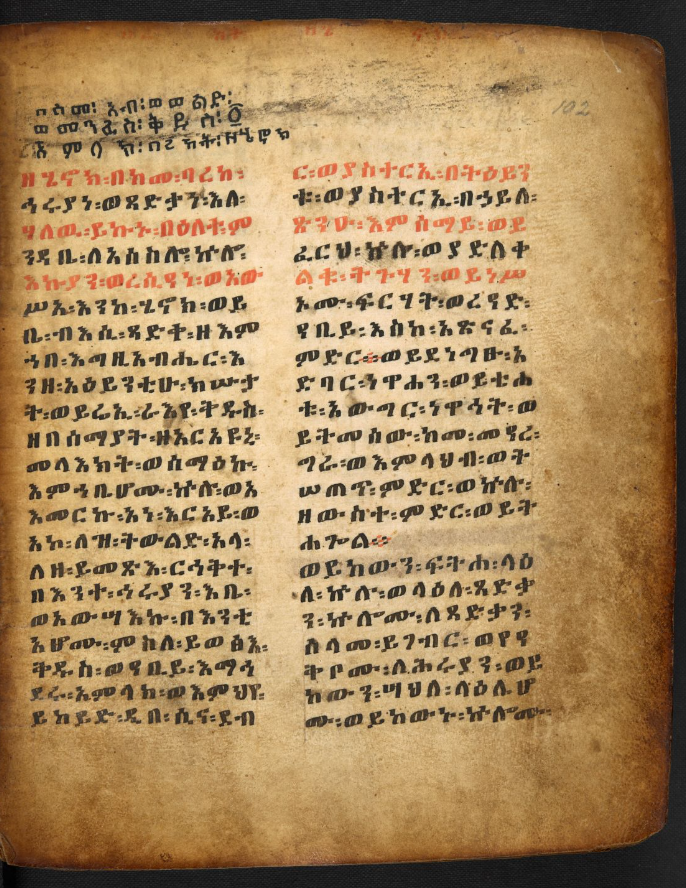
Book of Enoch

The Book of Enoch (also 1 Enoch; Hebrew: סֵפֶר חֲנוֹךְ, romanized: Sēfer Ḥănōḵ; Ge'ez: መጽሐፈ ሄኖክ, romanized: Maṣḥafa Hēnok) is an ancient Jewish apocalyptic religious text, ascribed by tradition to the patriarch Enoch who was the father of Methuselah and the great-grandfather of Noah. The Book of Enoch contains unique material on the origins of demons and Nephilim, why some angels fell from heaven, an explanation of why the Genesis flood was morally necessary, and a prophetic exposition of the thousand-year reign of the Messiah. Three books are traditionally attributed to Enoch, including the distinct works 2 Enoch and 3 Enoch. 1 Enoch is not considered to be canonical scripture by most movements of Judaism or branches of Christianity, although it is part of the biblical canon used by the Ethiopian Jewish community Beta Israel, as well as the Ethiopian Orthodox Tewahedo Church and Eritrean Orthodox Tewahedo Church. The older sections of 1 Enoch are estimated to date to c. 300–200 BC, and the latest part (Book of Parables) is probably from c. 100 BC. Scholars believe Enoch was originally written in either Aramaic or Hebrew, the languages first used for Jewish texts. Ephraim Isaac suggests that the Book of Enoch, like the Book of Daniel, was composed partially in Aramaic and partially in Hebrew. No Hebrew version is known to have survived. Copies of the earlier sections of 1 Enoch were preserved in Aramaic among the Dead Sea Scrolls in the Qumran Caves. Authors of the New Testament were also familiar with some content of the book. A short section of 1 Enoch is cited in the Epistle of Jude, being attributed to "Enoch, the Seventh from Adam" (1 Enoch 60:8). The full Book of Enoch survives in its entirety only in the Geʽez translation.

Infobox

Author
Unknown
Language
Aramaic or Hebrew
Period
c. 300–200 BC (Book of Parables c. 100 BC)
Chapters
108

Tables

Correspondence of weekly day in the Qumran year · Synopsis › The Astronomical Book
Wed
Wed
Col 1
Wed
Months 1, 4, 7, 10
1
Months 1, 4, 7, 10
8
Months 1, 4, 7, 10
15
Months 1, 4, 7, 10
22
Months 1, 4, 7, 10
29
Months 2, 5, 8, 11
6
Months 2, 5, 8, 11
13
Months 2, 5, 8, 11
20
Months 2, 5, 8, 11
27
Thurs
Thurs
Col 1
Thurs
Months 1, 4, 7, 10
2
Months 1, 4, 7, 10
9
Months 1, 4, 7, 10
16
Months 1, 4, 7, 10
23
Months 1, 4, 7, 10
30
Months 2, 5, 8, 11
7
Months 2, 5, 8, 11
14
Months 2, 5, 8, 11
21
Months 2, 5, 8, 11
28
Months 2, 5, 8, 11
5
Months 3, 6, 9, 12
12
Fri
Fri
Col 1
Fri
Months 1, 4, 7, 10
3
Months 1, 4, 7, 10
10
Months 1, 4, 7, 10
17
Months 1, 4, 7, 10
24
Months 2, 5, 8, 11
1
Months 2, 5, 8, 11
8
Months 2, 5, 8, 11
15
Months 2, 5, 8, 11
22
Months 2, 5, 8, 11
29
Months 3, 6, 9, 12
6
Sat (Sabbath)
Sat (Sabbath)
Col 1
Sat (Sabbath)
Months 1, 4, 7, 10
4
Months 1, 4, 7, 10
11
Months 1, 4, 7, 10
18
Months 1, 4, 7, 10
25
Months 1, 4, 7, 10
2
Months 2, 5, 8, 11
9
Months 2, 5, 8, 11
16
Months 2, 5, 8, 11
23
Months 2, 5, 8, 11
30
Months 2, 5, 8, 11
7
Months 3, 6, 9, 12
14
Sun
Sun
Col 1
Sun
Months 1, 4, 7, 10
5
Months 1, 4, 7, 10
12
Months 1, 4, 7, 10
19
Months 1, 4, 7, 10
26
Months 1, 4, 7, 10
3
Months 2, 5, 8, 11
10
Months 2, 5, 8, 11
17
Months 2, 5, 8, 11
24
Months 2, 5, 8, 11
1
Months 3, 6, 9, 12
8
Mon
Mon
Col 1
Mon
Months 1, 4, 7, 10
6
Months 1, 4, 7, 10
13
Months 1, 4, 7, 10
20
Months 1, 4, 7, 10
27
Months 1, 4, 7, 10
4
Months 2, 5, 8, 11
11
Months 2, 5, 8, 11
18
Months 2, 5, 8, 11
25
Months 2, 5, 8, 11
2
Months 2, 5, 8, 11
9
Months 3, 6, 9, 12
16
Tues
Tues
Col 1
Tues
Months 1, 4, 7, 10
7
Months 1, 4, 7, 10
14
Months 1, 4, 7, 10
21
Months 1, 4, 7, 10
28
Months 1, 4, 7, 10
5
Months 2, 5, 8, 11
12
Months 2, 5, 8, 11
19
Months 2, 5, 8, 11
26
Months 2, 5, 8, 11
3
Months 2, 5, 8, 11
10
Months 3, 6, 9, 12
17
Months 1, 4, 7, 10
Months 2, 5, 8, 11
Months 3, 6, 9, 12
Wed
1
8
15
22
29
6
13
20
27
Thurs
2
9
16
23
30
7
14
21
28
5
12
Fri
3
10
17
24
1
8
15
22
29
6
Sat (Sabbath)
4
11
18
25
2
9
16
23
30
7
14
Sun
5
12
19
26
3
10
17
24
1
8
Mon
6
13
20
27
4
11
18
25
2
9
16
Tues
7
14
21
28
5
12
19
26
3
10
17

References

  1. The Book of Enoch is called 1 Enoch to distinguish it from the similarly titled books abbreviated 2 Enoch and 3 Enoch.
  2. The Ethiopian text says 300 cubits (135 m), which is probably a corruption of 30 cubits (13 m). However, even this figur
  3. "[I]t is questionless that the use of letters was found out in the very infancy of the world, proved by those prophecies
  4. "We may note especially that 1:1, 3–4, 9 allude unmistakably to Deuteronomy 33:1–2 (along with other passages in the Heb
  5. "The introduction ... picks up various biblical passages and re-interprets them, applying them to Enoch. Two passages ar
  6. '14. of these: lit., 'to these'; Jude has some odd use of the dative'. Also see Wallace, D. Greek Grammar beyond the Bas
  7. Barker (2005).
  8. Barker, Margaret. (2005) . The Lost Prophet: The Book of Enoch and Its Influence on Christianity. London: SPCK; Sheffiel
  9. Fahlbusch, E.; Bromiley, G . The Encyclopedia of Christianity: P–Sh page 411, ISBN 0-8028-2416-1 (2004)
  10. Ephraim Isaac, 1 Enoch: A New Translation and Introduction in James Charlesworth (ed.) The Old Testament Pseudoepigrapha
  11. Cheyne and Black, Encyclopaedia Biblica (1899), "Apocalyptic Literature" (column 220). "The Book of Enoch as translated
  12. Jude 1:14–15
    https://en.wikisource.org/wiki/Bible_(King_James)/Jude#1:14
  13. 1 Enoch: A New Translation
  14. Ephraim Isaac, in Old Testament Pseudepigrapha, ed. Charlesworth, Doubleday, 1983
  15. The Meaning of the Dead Sea Scrolls
    https://archive.org/details/B-001-001-901
  16. Genesis 6:1–4
    https://mechon-mamre.org/p/pt/pt0106.htm#1
  17. The Origins of Enochic Judaism (ed. Gabriele Boccaccini; Turin: Zamorani, 2002)
  18. ccel
    https://ccel.org/c/charles/otpseudepig/enoch/ENOCH_1.HTM
  19. ccel
    https://ccel.org/c/charles/otpseudepig/enoch/ENOCH_1.HTM
  20. www
    http://www.ancienttexts.org/library/ethiopian/enoch/1watchers/wcenter.htm
Image
Source:
Tip: Wheel or +/− to zoom, drag to pan, Esc to close.